
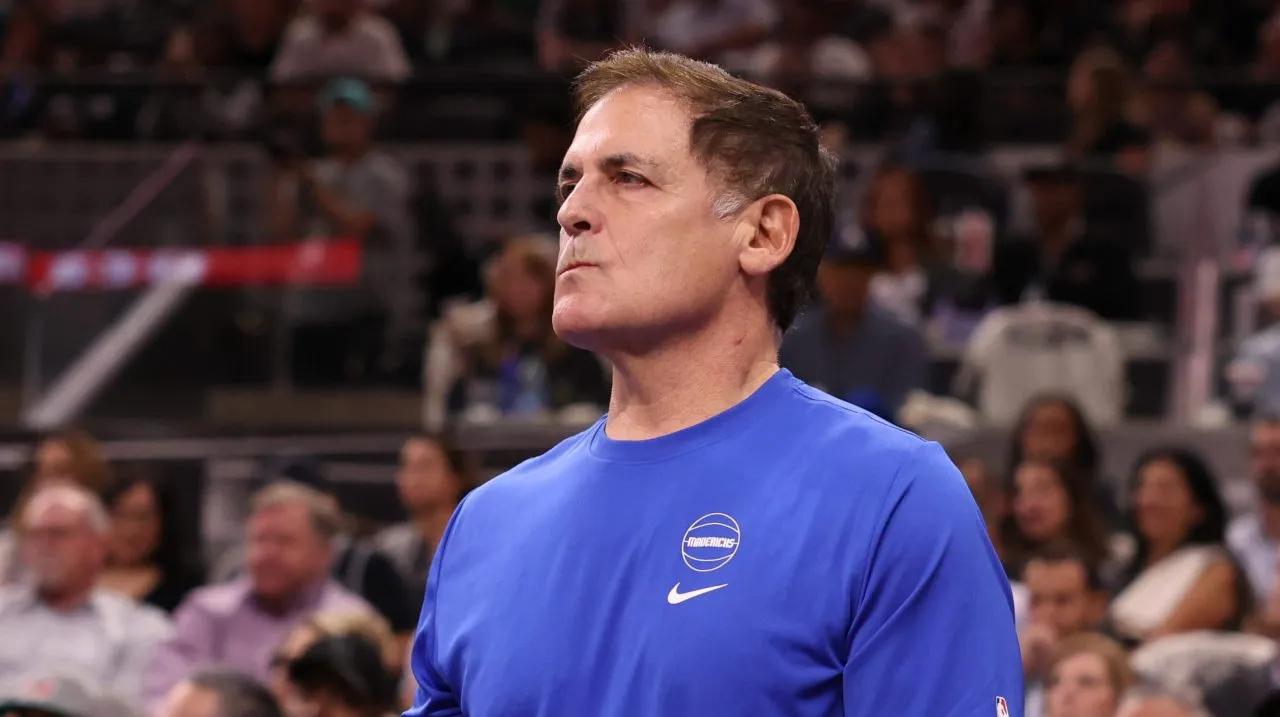
Billionaire entrepreneur and investor Mark Cuban is offering a distinct economic alternative to heavy wealth levies: using the tax code to reward companies that share ownership with their entire workforce. Rather than penalizing ultra-high net worth individuals with direct taxes, Cuban argues that the focus should shift toward widespread distribution of equity.
During an appearance on the Unmoderated News podcast for the What It Takes episode, Cuban explained that giving workers a stake in the business is the most effective tool for narrowing the income gap. To make this standard practice, he envisions a policy where businesses qualify for a beneficial corporate tax rate—such as 21 percent—only if they grant the same percentage of stock, options, or warrants to every employee relative to cash compensation as they do for the chief executive officer.
Under this proportional model, if a CEO taking home $1 million in cash is also awarded $100,000 in stock, a janitor earning a $50,000 salary would receive a matching percentage in shares. This mechanism mirrors legislative concepts previously floated in the House of Representatives via a bipartisan bill designed to extend tax reductions to major companies that extend equity down to rank-and-file workers.
Real-world examples already exist. Private equity firm KKR has funneled billions through its own worker ownership initiative, while SpaceX utilized an employee stock ownership structure that helped thousands of staffers reach millionaire status during a public offering. SpaceX CEO Elon Musk has voiced a parallel view, maintaining that every team member should possess stock to benefit from corporate success.
Cuban views this incentivized structure as a superior path compared to proposals targeting fortunes over $1 billion. He points out that much of a billionaire’s net worth is locked in illiquid stock, meaning forced liquidations to cover massive tax assessments could tank share prices. Furthermore, compelling wealthy individuals to hoard cash for tax liabilities drains capital that would otherwise fund startup ventures and support new entrepreneurs.
While unmentioned by name during his remarks, the discussion coincides with debates surrounding measures like California’s proposed one-time 5 percent wealth tax on residents holding over $1.1 billion to support state healthcare, which faces stiff resistance from local business leaders.
With an estimated net worth of $10 billion, Cuban has championed concepts like a $20 federal minimum wage and « trickle up » economics. He previously shared his shock upon learning that some of his arena workers relied on public assistance, calling the dynamic wrong and embarrassing. A political donor to Kamala Harris and vocal policy commentator, Cuban positions himself against aggressive wealth redistribution while pushing for structural fixes to economic inequality. Prediction markets like Polymarket currently assign him a 1 percent chance of securing the 2028 Democratic presidential nomination.