
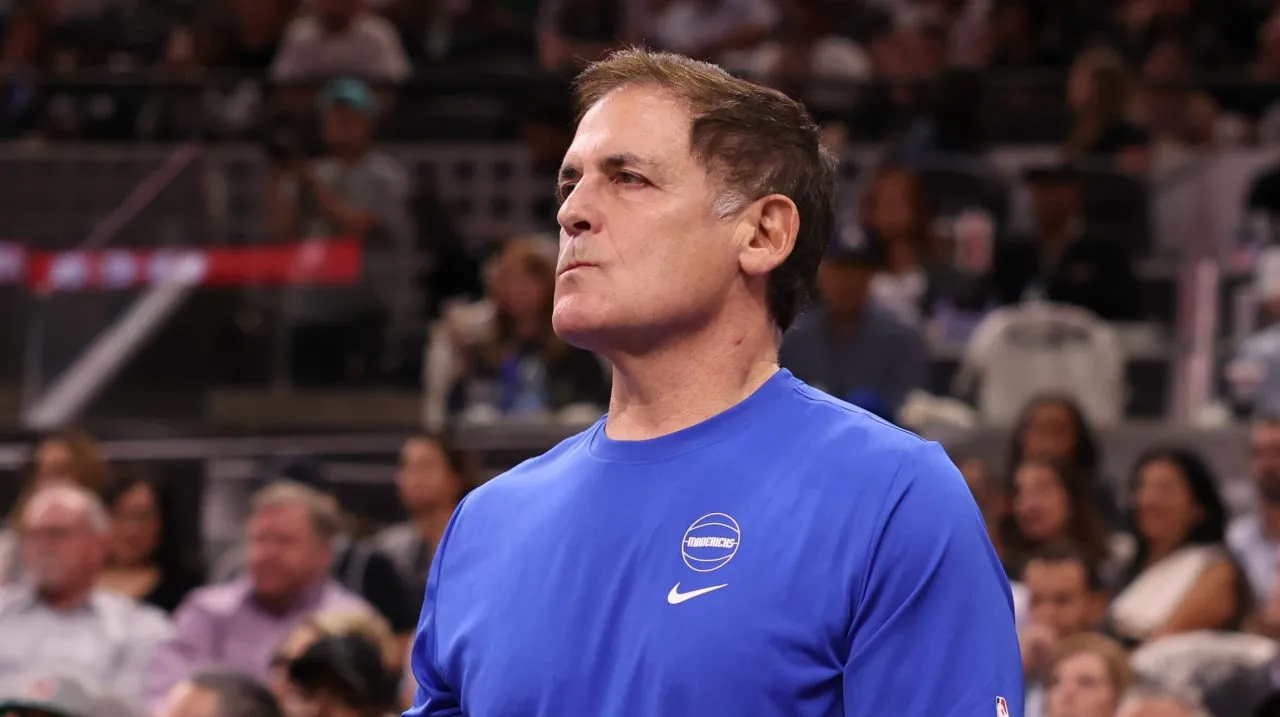
Billionaire entrepreneur and investor Mark Cuban believes that fixing the wealth gap does not require legislating the ultra-wealthy out of existence. Instead, he points to a different economic lever: universal employee ownership. During an appearance on the What It Takes podcast from Unmoderated News, Cuban argued that distributing shares of stock to every worker is the most effective way to help working individuals build real wealth and reduce income disparity.
The Tax Incentive Framework
Rather than leaving widespread stock distribution to corporate goodwill alone, Cuban wants the federal government to use tax policy to drive change. He proposes tying a favorable corporate tax rate—such as 21 percent—directly to whether a company grants stock, options, or warrants to all employees. Under his model, the distribution would be proportional: if a CEO making $1 million in cash receives $100,000 in stock, a janitor earning $50,000 would receive the exact same percentage of stock relative to their cash compensation.
This concept mirrors existing legislative ideas. A bipartisan bill previously introduced in the House of Representatives sought to provide tax cuts specifically for large companies that share equity with their workforces, a strategy supporters say ties the financial success of employees directly to the growth of the enterprise.
Real-World Precedents
The model is already active in parts of the corporate world. KKR, a private equity firm, runs an employee ownership program that has successfully distributed billions of dollars. Similarly, an employee stock ownership structure at SpaceX allowed thousands of workers to reach millionaire status during an IPO. SpaceX CEO Elon Musk has voiced a comparable view, maintaining that everyone within a company should hold stock so they can share in the enterprise’s upside.
Why Cuban Rejects Wealth Taxes
Cuban frames his incentivized stock-sharing blueprint as a practical alternative to aggressive wealth taxes, such as proposals to heavily tax fortunes exceeding $1 billion. He warns that such policies fail to account for the fact that a billionaire’s net worth is largely tied up in illiquid stock. Forcing individuals to sell off those shares to cover massive tax bills could trigger share price collapses. Furthermore, compelling the wealthy to hold heavier cash reserves for tax liabilities would drain capital from new ventures, ultimately harming entrepreneurs who rely on outside funding.
While he did not directly name it, Cuban’s remarks arrive in the wake of a proposed California ballot measure that would introduce a one-time 5 percent wealth tax on state residents with a net worth over $1.1 billion to support state healthcare costs—a measure that faces fierce pushback from local business leaders.
A Broader Economic Agenda
With an estimated net worth of $10 billion, Cuban has increasingly championed « trickle up » economics alongside a $20 federal minimum wage. He has previously shared his experience of raising pay for arena staff after discovering they relied on public assistance, calling the dynamic wrong and embarrassing. As a supporter of Kamala Harris and a vocal voice on economic policy, Cuban positions himself as a billionaire who seeks to address income disparities while pushing back against heavy-handed wealth redistribution. Meanwhile, prediction markets like Polymarket list him with a 1 percent probability for the 2028 Democratic presidential nomination.